

69, opposite Railway Reservation Centre, Hargobind Enclave, Monday - Sunday 08:00-19:00 95991939888

Functional Test

Researches

ECG

An electrocardiogram (ECG) is a test that measures the electrical activity of the heart. It is a non-invasive test that is commonly used to diagnose heart conditions and monitor the heart's function. During an ECG, small electrodes are placed on the patient's chest, arms, and legs. These electrodes detect the electrical impulses generated by the heart and transmit them to a machine that records the information as a series of waves. The ECG provides important information about the heart's rhythm and rate, as well as its structure and function. It can detect abnormalities in the heart's electrical activity, such as irregular heartbeats (arrhythmias), heart block, and other conditions that can affect the heart's ability to pump blood effectively.
Your Health

2D ECHO

A 2D echocardiogram, also known as a transthoracic echocardiogram (TTE), is a non-invasive test that uses ultrasound to create images of the heart. It is commonly used to evaluate the heart's structure and function, including the size of the heart chambers, the thickness of the heart walls, and the movement of the heart valves. During a 2D echocardiogram, a small probe is placed on the patient's chest and emits high-frequency sound waves that bounce off the heart and create images on a screen. These images show the heart in real-time and can be used to assess the heart's pumping function, blood flow, and the presence of any abnormalities.

New investigations

PFT

Pulmonary function tests (PFTs) are a group of non-invasive tests that measure how well the lungs are working. These tests are commonly used to diagnose lung diseases, such as asthma, chronic obstructive pulmonary disease (COPD), and interstitial lung disease. During PFTs, a patient will typically breathe into a machine that measures the amount of air they can inhale and exhale, as well as how quickly they can do so. The tests may also measure the amount of air left in the lungs after exhaling, as well as the ability of the lungs to transfer oxygen from the air into the bloodstream.

New investigations

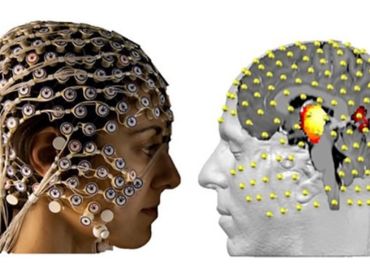
EEG

Electroencephalography (EEG) is a diagnostic test that measures the electrical activity of the brain. It is typically used to evaluate conditions such as epilepsy, seizures, and sleep disorders. During an EEG test, small electrodes are attached to the scalp with a special paste. The electrodes detect electrical activity in the brain, which is recorded by a machine and analyzed by a specialist. The test is painless and non-invasive, and typically takes about 30-60 minutes to complete.

New investigations

EMG

Electromyography (EMG) is a diagnostic test that measures the electrical activity of muscles and nerves. It is typically used to evaluate muscle weakness, spasms, or other symptoms related to neuromuscular disorders. During an EMG test, a small, thin needle electrode is inserted into a muscle. The electrode detects electrical activity in the muscle, which is recorded by a machine and analyzed by a specialist. In some cases, a nerve conduction study may also be performed, which involves attaching electrodes to the skin to measure the speed and strength of signals traveling through nerves.

New investigations

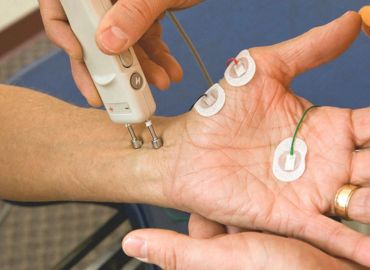
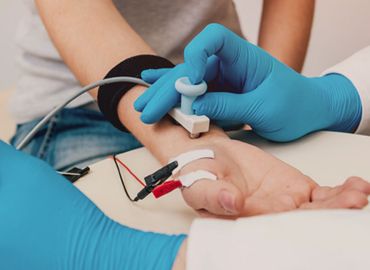
NCV

Nerve conduction velocity (NCV) is a diagnostic test that measures the speed at which electrical signals travel through nerves. It is typically used to evaluate conditions such as peripheral neuropathy, carpal tunnel syndrome, and radiculopathy. During an NCV test, small electrodes are attached to the skin over the nerves being tested. A small electrical impulse is then delivered to the nerve, and the resulting electrical activity is recorded by the electrodes. The speed at which the electrical signals travel through the nerve can then be calculated and analyzed by a specialist.