69, opposite Railway Reservation Centre, Hargobind Enclave, Monday - Sunday 08:00-19:00 95991939888

Radiology

Researches

MRI Scan

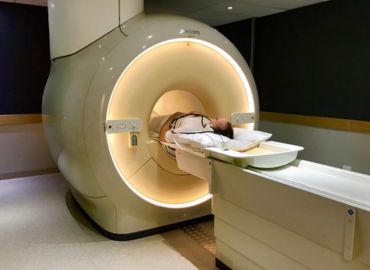
During an MRI scan, the patient lies down on a table that slides into a tunnel-like machine. The machine uses a strong magnetic field and radio waves to create images of the body. The procedure is painless, but some patients may feel claustrophobic or uncomfortable lying still for an extended period of time. If needed, a contrast agent may be injected to enhance the visibility of certain structures in the images. It is important to inform the healthcare provider if the patient has any metal implants, such as pacemakers or metal fragments in the body, as these can interfere with the MRI machine.
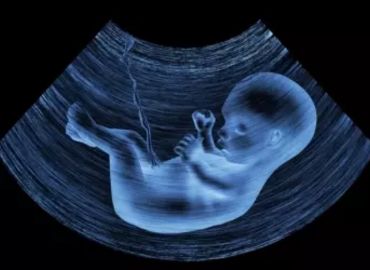
Your Health

CT-Scan

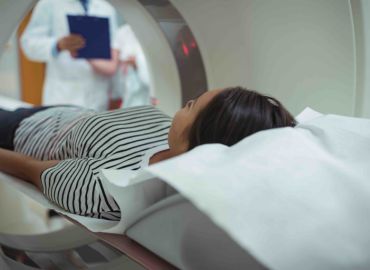
A CT (Computed Tomography) scan is a medical imaging technique that uses X-rays to create detailed images of the body's internal structures. It is often used to diagnose conditions such as cancer, infections, or injuries. CT scans can be performed on different parts of the body, including the head, chest, abdomen, and pelvis. During a CT scan, the patient lies down on a table that slides into a ring-shaped machine. X-rays are then used to take multiple images of the body from different angles, which are then combined to create a 3D image. The procedure is painless, but patients may be asked to hold their breath for a few seconds during the scan to reduce movement and improve image quality.

New investigations

Colour Doppler

Color Doppler is a medical imaging technique that uses sound waves to visualize blood flow in the body. It is commonly used to diagnose conditions such as blood clots, arterial stenosis, or varicose veins. During a Color Doppler ultrasound, a handheld device called a transducer is used to emit high-frequency sound waves into the body. These sound waves bounce back and are detected by the transducer, which then converts them into images that can be seen on a monitor. By analyzing the movement and direction of the blood flow, healthcare professionals can detect abnormalities and diagnose conditions.

Researches

Digital X-Ray

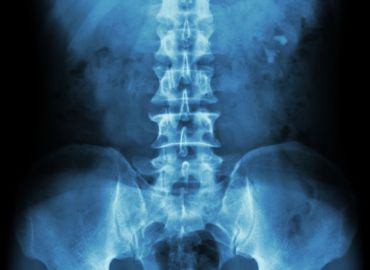
Digital X-ray is a medical imaging technique that uses electromagnetic radiation to create images of the body's internal structures. It is often used to diagnose conditions such as bone fractures, pneumonia, or dental problems. During a digital X-ray, the patient is positioned between an X-ray machine and a detector. The machine emits a small amount of radiation, which passes through the body and is detected by the detector. The information is then converted into a digital image that can be viewed on a computer monitor.

Your Health

IVP

ntravenous Pyelogram (IVP) is a medical imaging technique used to examine the urinary system, including the kidneys, ureters, and bladder. It involves the injection of a contrast agent into a vein in the arm, which is then filtered by the kidneys and excreted into the urine. X-rays are then taken at timed intervals as the contrast material moves through the urinary system. The resulting images can help diagnose conditions such as kidney stones, tumors, or blockages. During the procedure, the patient lies on a table while X-ray images are taken. The contrast material may cause some patients to feel a warm sensation or have a metallic taste in their mouth.

New investigations

Teleradiology

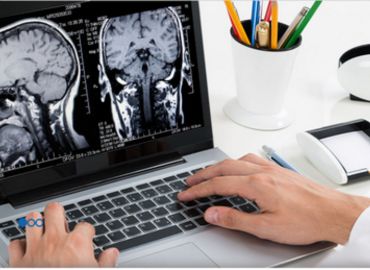
Teleradiology is a branch of radiology that involves the remote transmission of medical images for interpretation and diagnosis by radiologists who are located in different locations. It allows radiologists to provide their services and expertise to patients who are located in different parts of the world, without the need for travel or physical presence. Teleradiology relies on technology such as PACS (Picture Archiving and Communication System) and secure internet connections to transmit medical images from one location to another.