


69, opposite Railway Reservation Centre, Hargobind Enclave, Monday - Sunday 08:00-19:00 95991939888

Microbiology

Researches

Urine analysis

Urine analysis is a diagnostic test that examines the physical, chemical, and microscopic properties of a person's urine. The test is commonly used to evaluate the health of the urinary system and detect various diseases and disorders. One of the main components of urine analysis is the physical examination of the urine. The color, odor, and clarity of the urine can provide important clues about the health of the urinary system and the body as a whole. Abnormalities in these properties can indicate the presence of certain diseases or disorders.
Your Health

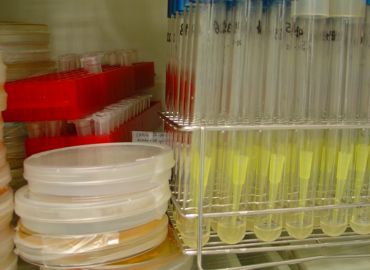
Culture analysis

Cultural analysis is an interdisciplinary field of study that examines the ways in which culture influences social behavior, beliefs, values, and practices. It involves the study of various cultural expressions, such as art, literature, music, language, and social customs, to gain a deeper understanding of the cultural beliefs and practices of different groups of people. One of the main approaches in cultural analysis is the examination of cultural artifacts. Cultural artifacts refer to any physical objects or products of human creativity that reflect the beliefs, values, and practices of a particular culture. Examples of cultural artifacts include paintings, sculptures, literature, music, and clothing. By studying these artifacts, researchers can gain insight into the cultural beliefs and practices of different groups of people.

New investigations

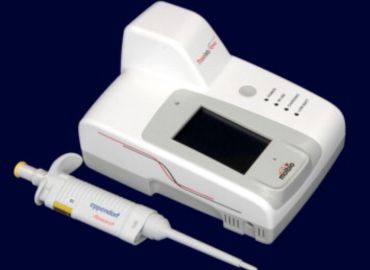
TB-PCRs

TB-PCR (Tuberculosis Polymerase Chain Reaction) is a diagnostic test used to detect the presence of Mycobacterium tuberculosis (MTB) in a patient's sputum or other bodily fluids. TB-PCR is a rapid and highly sensitive technique that can detect MTB DNA even in cases where conventional microbiological methods have failed to detect the bacterium. The TB-PCR test works by amplifying small segments of MTB DNA using a technique known as polymerase chain reaction (PCR). This amplification process allows even a small amount of MTB DNA to be detected in a sample. The test is highly specific to MTB DNA and can distinguish between different strains of MTB.